


Earthquake Hits Japan, Systems Activate Instantly

John Merolla
Reporter, Life News Today
A magnitude 7.4 earthquake struck northeastern Japan on April 18, triggering tsunami warnings and prompting evacuations in coastal areas, according to the Japan Meteorological Agency. The quake was recorded off the coast of the Tōhoku region, at a depth of approximately 40 kilometers, and was felt in several prefectures, including Miyagi and Fukushima.
Authorities issued tsunami warnings for parts of the Pacific coast, with waves reaching up to one meter in some areas. The Japan Meteorological Agency said the alerts were lifted hours later, once the immediate risk was reduced. No major structural damage was reported in the first assessments, although emergency teams continued to inspect critical infrastructure.

The event activated one of the most developed seismic warning systems in the world. Japan, located on the Pacific Ring of Fire, experiences a high frequency of tectonic activity, with about 20% of the world's large-magnitude earthquakes occurring in this region, according to the Unites States Geological Survey. That exposure has led the country to develop response protocols that combine real-time monitoring, early warning systems and strict building regulations.
In keeping with the awareness of their high-risk location, Japan has consolidated a culture of seismic preparedness that encompasses multiple levels of social life. Modern buildings are designed with advanced anti-seismic technologies, such as dampening and base insulation systems that reduce the impact of vibrations. In addition, the population regularly participates in evacuation drills and receives education from an early age on how to act during an earthquake. Households are often equipped with emergency kits, and cities have clearly marked evacuation routes, temporary shelters and coordinated contingency plans between the public and private sectors.
The impact of the earthquake was largely contained by these measures. Infrastructure such as high-speed trains automatically halted operations after movement was detected, while alert systems sent notifications to mobile phones within seconds. In urban areas, evacuation procedures were activated without widespread incidents, reflecting a high level of institutional preparedness.

In coastal cities in the northeast, residents moved to elevated areas after the issuance of alerts, following protocols that are part of daily life in regions exposed to seismic activity. The response is not limited to a time of crisis, but reflects a social system in which preparedness is integrated into daily routines, from school drills to evacuation plans in work and community spaces. In these regions, the memory of the 2011 earthquake and tsunami continues to influence public behavior and the perception of risk, not only as a historical precedent, but as a constant reference in decision-making during current events. That 9.0 magnitude earthquake caused more than 15,000 deaths and a nuclear accident in Fukushima and consolidated an approach in which anticipation and immediate reaction have become structural components of social life in vulnerable areas.
The current response was developed within that framework. According to Japan's Cabinet Office, national disaster management protocols are based on coordination between local authorities, meteorological agencies and emergency forces, with regular drills aimed at reducing reaction times. Those exercises have been incorporated into everyday life, including schools, offices, and coastal communities.
The geological context also conditions the frequency of these events. Japan is located at the convergence of several tectonic plates, including the Pacific and the Philippines, which generates an accumulation of seismic energy that is released in the form of earthquakes. The United States Geological Survey notes that the Tōhoku region continues to be an area of significant activity following the 2011 event.
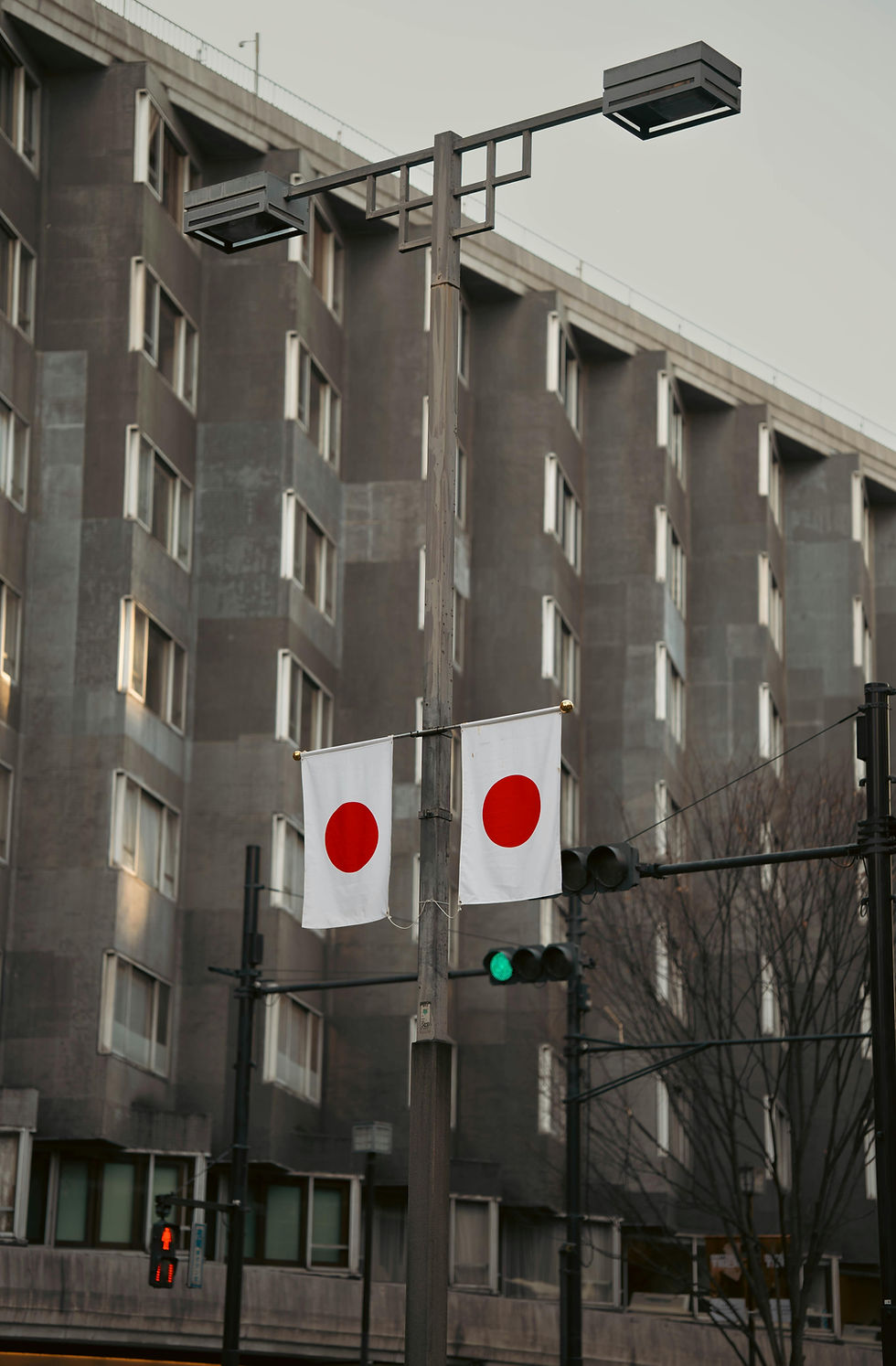
Despite the magnitude of the quake, early assessments indicated a limited number of casualties and material damage, although local authorities reported temporary outages in power and transportation services. Emergency teams carried out inspections on roads, bridges and industrial plants to rule out structural damage. The Japan Meteorological Agency warned of the possibility of aftershocks in the following days, a common condition after earthquakes of this magnitude. These aftershocks can vary in intensity and pose an additional risk to weakened structures, so authorities maintain high levels of vigilance.
The event also highlights the relationship between technology, preparedness and risk in Japan. The anti-seismic building standards, implemented after previous events, have been progressively updated to improve the resistance of buildings to high-intensity movements. These regulations have contributed to significantly reducing the impact of recent earthquakes compared to previous decades. However, exposure to risk remains constant. The combination of population density, industrial activity, and geographic location means that even moderate earthquakes can have significant effects if they coincide with specific conditions, such as high tides or structural vulnerabilities.
The April 18 quake adds to a series of recent events that have put the country's response systems to the test. Although it did not generate consequences comparable to past disasters, it reinforces the need to maintain up-to-date protocols and rapid response capabilities in an environment where seismic activity is a constant part of reality. Authorities continue to monitor activity in the region, while technical teams complete damage assessments and review infrastructure systems. The evolution of the aftershocks and the stability of the affected structures will determine the next security measures.


Comments