


The Fall of Santiago Peña Shakes Paraguay

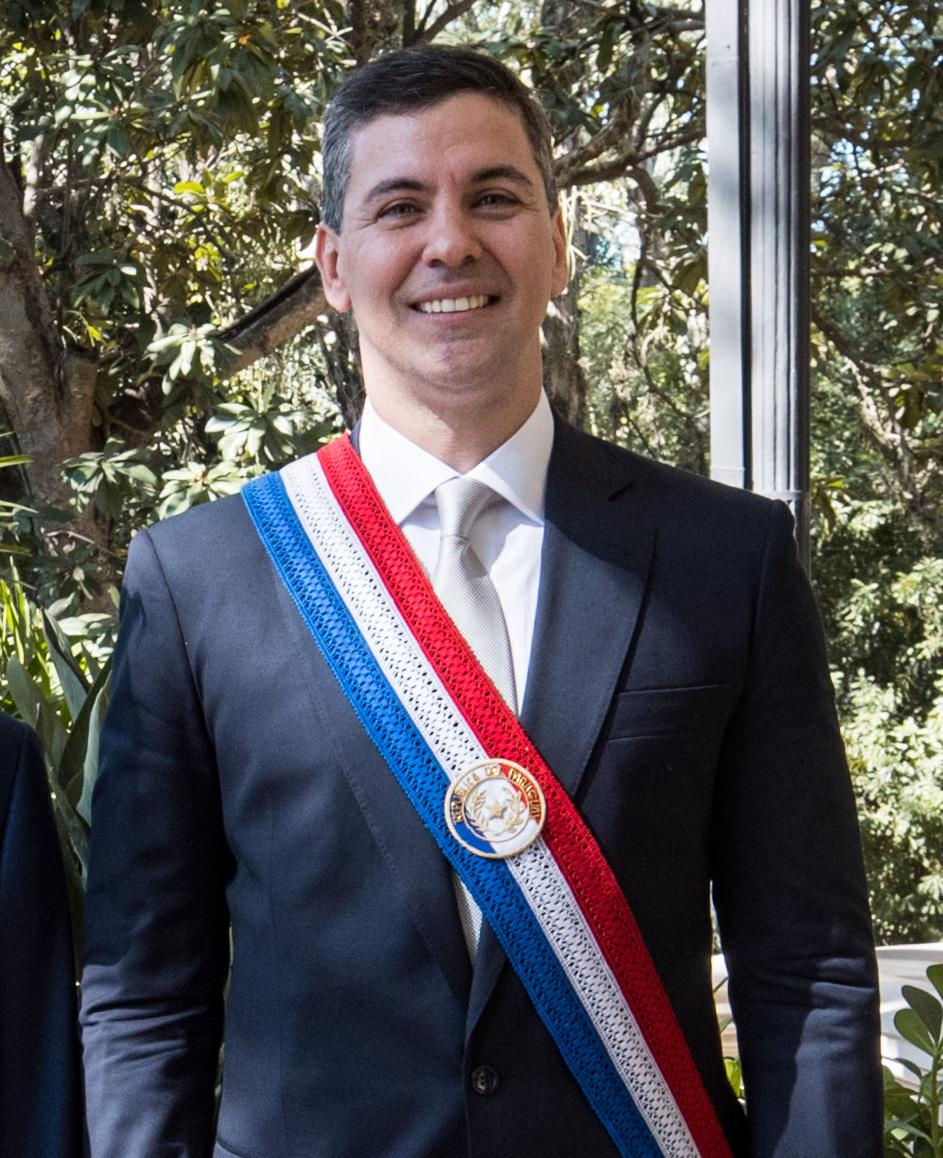
Paraguay is experiencing one of its most significant political and economic crises in recent years after President Santiago Peña announced his resignation on November 5, 2026, amid a financial scandal that sparked public outrage and intense scrutiny of his administration. The decision followed the collapse of Ueno Bank, a financial institution that had grown rapidly in recent years and maintained business ties with the president. The situation left approximately three million customers without immediate access to their accounts and triggered protests across the country. What began as a problem within the financial system developed into a national crisis that raised questions about institutional transparency and government accountability. Although Peña submitted his resignation, arguing that it was necessary to preserve the country's stability, Congress continued impeachment proceedings that resulted in his removal from office. Vice President Pedro Alliana assumed the presidency on November 6, while judicial authorities continued investigating possible irregularities involving the bank.
The crisis originated in the financial problems of Ueno Bank, an institution that had attracted a large number of customers through digital services and innovative ways of managing money. Over time, the bank became one of Paraguay's best-known financial institutions, particularly among people who had not previously used banking services. However, allegations began to emerge involving irregular loans, management problems, and potential conflicts of interest. On November 2, Paraguay's Central Bank initiated a formal resolution procedure after determining that the bank's solvency ratio had fallen below half the minimum required by law. Investigations also identified lending transactions involving companies connected to the controlling group that had not been properly disclosed, along with deficiencies in the documentation of certain loans. As a result, banking operations were suspended, leaving numerous customers unable to withdraw their money or access their accounts normally.
The relationship between Santiago Peña and the bank became one of the most heavily scrutinized aspects of the scandal. Before becoming president, Peña had maintained business ties with the corporate group associated with Ueno and retained an ownership interest in a company connected to the institution until 2025. During his administration, various public institutions deposited substantial amounts of money in the bank, while Carlos Carvallo, a former Ueno executive, was appointed president of the Central Bank. These circumstances raised suspicions of possible conflicts of interest and prompted opposition leaders to demand explanations. Peña denied committing any wrongdoing and maintained that the allegations should be addressed through the appropriate judicial procedures. Nevertheless, political pressure intensified as additional details of the crisis emerged, including criticism from within the Colorado Party, the political organization that had brought him to power in 2023.

Eventually, Peña announced that he would leave office, but his decision did not stop the proceedings initiated by Congress. The Chamber of Deputies moved forward with the accusations, and the Senate continued the impeachment process, which concluded with his removal on November 6. The former president was subsequently detained and charged with alleged offenses involving the management of financial resources and the banking scandal. Peña denied the accusations, which remain subject to judicial review, since removal through impeachment does not constitute a criminal conviction. The president's downfall also led to Carlos Carvallo's departure from the Central Bank presidency after Peña requested his resignation amid the investigations.
The impact of the crisis was felt most directly by citizens who had entrusted their savings to the bank. In the days following the intervention, numerous people took to the streets demanding answers and the return of their money. Concerns extended beyond wealthy investors to workers, retirees, and small business owners who relied on their accounts to manage their income. For many families, the situation created immediate financial difficulties because they depended on those savings to pay everyday expenses, operate their businesses, and cover basic necessities. Financial authorities began organizing procedures to reimburse deposits protected by the Deposit Guarantee Fund, which covers up to 228.3 million guaraníes per depositor, subject to legal conditions. By November 7, more than 1.2 million customers had received partial or full reimbursements, although many affected individuals were still waiting to recover their money.

The consequences also reached public institutions and funds intended to provide future financial security. On November 9, Paraguayan teachers began a strike demanding protection for approximately $60 million in pension funds deposited at Ueno Bank. The protest demonstrated that the problem extended beyond individual bank accounts and also affected resources connected to the financial security of thousands of workers. While some groups demanded justice and penalties for those responsible, others expressed concern about the potential economic consequences of the crisis. The uncertainty provoked a strong public reaction and transformed the situation into a problem that quickly extended beyond the banking sector.
Peña's departure also opened a new chapter in Paraguayan politics. Pedro Alliana, who had served as vice president, assumed leadership of the country with the responsibility of completing the presidential term scheduled to end in 2028. He took office under difficult circumstances, marked by public distrust, judicial investigations, and the need to restore economic stability. Among his main challenges are ensuring that depositors can recover their money, strengthening oversight of the banking system, and rebuilding confidence in public institutions. The crisis also represents a test for the Colorado Party, which has dominated Paraguayan politics for much of the country's history. At the same time, the scandal attracted international attention because of its potential consequences for Paraguay's economic reputation, as the country has sought in recent years to attract foreign investment and establish itself as a stable destination for business.

Beyond the immediate political consequences, the scandal has raised important questions about the relationship between political power and financial institutions. Independent oversight, transparency in the management of public resources, and the ability to detect irregularities before they develop into crises are essential to protecting citizens. When a financial institution experiences problems of this magnitude, the consequences extend beyond its executives and shareholders, affecting thousands of families who depend on its services. For this reason, one of the Paraguayan public's main demands is a thorough investigation into what happened and a determination of who was responsible for the decisions that led to the collapse. As investigations continue and the new president attempts to restore public confidence, many Paraguayans are waiting for concrete solutions to the problems created by the bank's intervention. The country's future will depend not only on the decisions made by the new administration but also on the ability of its institutions to establish what happened, ensure justice, and demonstrate that the interests of the population take precedence over political disputes.
John Merolla, Reporter
Life News Today




Comments