


World Cup in times of World Calamity

Francisco Casais
Reporter, Life News Today
The Fédération Internationale de Football Association, which translates to the International Federation of Association Football, or FIFA, is the governing body for soccer worldwide and oversees the World Cup, one of the biggest international tournaments. The first World Cup was held in 1930 in Uruguay, where the host nation defeated Argentina 4-2 to become the first world champion. The tournament, held every four years, was created to bring together the best national teams from around the globe, and the first tournament saw 13 countries competing. Over the decades, the event has grown, making it the most watched sporting event in the world. Brazil emerged as the most successful nation, winning five titles. Legendary players such as Pele, Diego Maradona, Cristiano Ronaldo and Lionel Messi became global icons through their World Cup performances.

As nations face economic uncertainty, conflicts, political tensions, and natural disasters, the FIFA World Cup remains a much-anticipated event that unites people across borders. The World Cup expanded from 13 teams in 1930 to 32 teams in 1998, reflecting the sport's growing global reach. In 2026, the tournament has expanded again to 48 teams and will be hosted by the United States, Mexico, and Canada, marking the first time three countries have hosted the World Cup. The tournament has often taken place during challenging periods. For many fans and even people who are not fans of the World Cup, it offers a temporary escape from increasingly distressing world news. Streets fill with celebrations, families gather around each other, and random people sit in front of the television as national teams become symbols of resilience and pride.
Due to the current conflict between the United States and Iran, the United States has entry restrictions on nationals of Iran, a qualifying team participating in the tournament, according to a White House proclamation. Amid security concerns from the United States, Iran has made its home base in Tijuana, Mexico, but will still play matches in the United States as determined by FIFA. Iranian national fans, however, may face difficulty entering the United States because of travel bans unless they qualify for an exception or receive proper authorization. Visas have been granted to players and coaches after extensive vetting and security checks.
The World Cup has endured through several national and international conflicts. During World War II, the World Cup was suspended for several years, but it was held again in 1950 in Brazil, where Uruguay won. During the 1982 World Cup, Argentina and the United Kingdom were at war over the Falklands (Malvinas) Islands, yet both countries competed in the tournament. In 1986, the Iran-Iraq War was taking place, but Iraq qualified and played in the 1986 World Cup. These are just a few of the political conflicts the World Cup has carried on through. During hard times, the FIFA World Cup acts as a global distraction, a source of hope, and shared cultural events. When a team performs well, citizens often feel a stronger sense of identity and optimism. As communities come together to watch matches, it helps strengthen social connections.

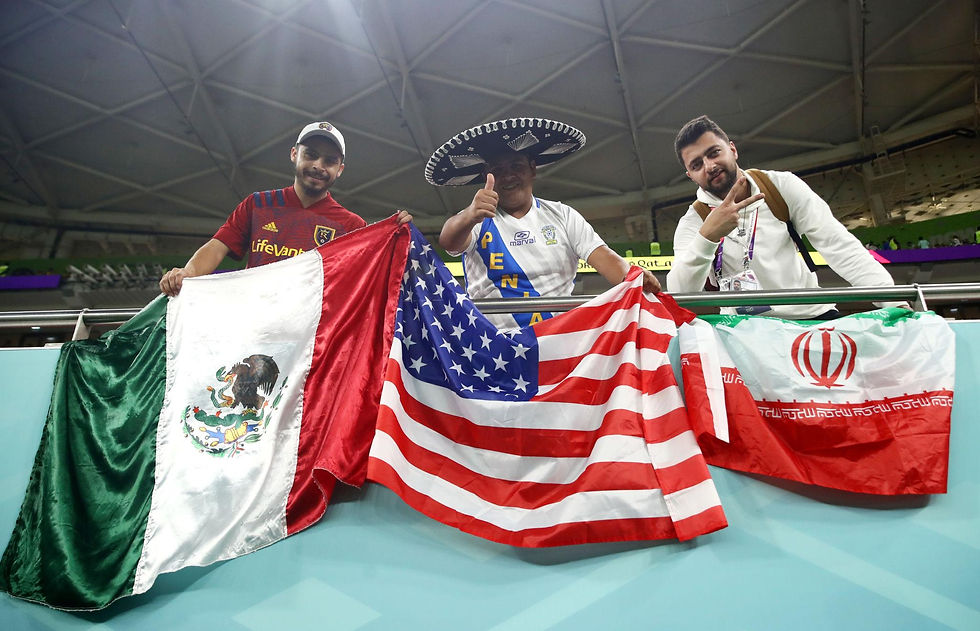
The month-long event normally takes place in June, culminating in the final in July. Beyond sports, the World Cup has a significant cultural impact. It influences music, fashion, advertising, and social media trends. Official tournament songs become international hits, while iconic goals and celebrations are replayed for years. The event also provides opportunities for cultural exchange as fans from different countries meet and interact, often forming friendships despite supporting rival teams. The tournament offers moments of joy, hope, and unity. While it cannot solve the world's problems, it can remind people of their shared humanity. The sight of fans celebrating together, regardless of nationality, demonstrates the power of sports to bring people closer.
The competition has evolved over time, incorporating new technologies such as goal-line technology and video assistant referees to improve decision-making. These innovations aim to make matches fairer while preserving the excitement and unpredictability that fans love. FIFA World Cup is far more than a soccer tournament. It is a global celebration of athletic excellence, national pride, cultural diversity, and international unity. Every four years, it captures the attention of millions and creates inspiring memories that last a lifetime.
Sources
Most Watched Sports in the World Statistics 2026 | Rankings & Key Viewership Facts – The Global Statistics
Why FIFA Expanded World Cup to 48 Teams: The Real Story
Can Iranians Travel to the USA? Ban, Exceptions & Visas - LegalClarity
World Cup 1982: Results, Standings and Statistics | Sport-Histoire


Comments