


Ceuta, A Border Under Pressure and a Spanish Migration Crisis

The migration crisis that shook Ceuta during the summer of 2026 turned this small Spanish city in North Africa into one of Europe’s main centers of attention for several days. Between July 30 and 31, some 72,000 people arrived from Morocco, a massive influx that resulted in deaths during attempts to cross, overwhelmed reception centers, and forced Spain to deploy a major security operation. Then came the returns, assistance for thousands of people who remained in the city, and a debate that continues over how Spain should respond to a similar situation and what role Morocco should play in controlling this border.

Ceuta’s location and history make this border an especially sensitive point. Ceuta is a Spanish city located on the African continent, physically separated from mainland Spain by the Strait of Gibraltar. Its only land border is with Morocco. For many migrants, reaching Ceuta means having entered Spanish territory, with the hope of later continuing to mainland Spain and other European countries. Portugal conquered Ceuta in 1415. In 1580, the crowns of Portugal and Spain came under the same monarch, but when Portugal regained its independence in 1640, Ceuta remained tied to the Spanish monarchy. The Treaty of Lisbon of 1668 subsequently recognized Spanish sovereignty over the city. Since then, it has remained under Spanish administration and is currently an autonomous city and part of the European Union. Morocco, however, maintains a historical claim over Ceuta, making the border one of the most sensitive points in relations between the two countries.
July 29, The First Signs. One day before the mass influx, Spanish intelligence services had already detected organized calls for people to attempt to enter Ceuta on July 30. Through WhatsApp groups, Facebook, and other social media, dates, times, meeting points, maps, and possible routes for crossing the border were being shared, both by land and by swimming through the Tarajal area. Spain’s National Intelligence Center alerted Spanish authorities to these calls on July 29. The scale the movement would ultimately reach, however, exceeded expectations.

During those same days, a Supreme Court ruling concerning the procedures applicable to certain people arriving in Ceuta by sea was also under discussion. The ruling established that the special procedure for immediate rejection at the border could not be applied to people intercepted at sea while attempting to reach Ceuta by swimming. The Spanish government later maintained that some networks had circulated a mistaken interpretation of the ruling, leading people to believe that it made entering or remaining in Spain easier. Madrid insisted that immigration law had not changed.
July 30 and 31, The Mass Influx. The mass influx began on July 30. Thousands of people attempted to reach Ceuta from Morocco, many of them swimming through the Tarajal area. The police, Civil Guard, and later the Army were mobilized to control the border and assist those who managed to reach Ceuta. According to figures from the Ministry of the Interior, some 72,000 people entered during those two days. Most were later returned to Morocco, but the episode also left numerous victims during attempts to cross the sea. Prime Minister Pedro Sánchez later stated that more than 141 people had died along the coast of Ceuta and the border with Morocco. For Spain, the priorities were to regain control of the border and manage the returns. Sánchez also defended cooperation with Morocco as a fundamental tool for controlling migration movements and combating networks that facilitate irregular entries.
Spain and Morocco Confront the Crisis. The crisis also highlighted the differences between Spain and Morocco over what had happened and the management of the border. Sources from the Moroccan Ministry of Foreign Affairs said that Spain had been warned about the possible consequences of the Supreme Court ruling and the difficulties it could create for migration cooperation. Spain rejected the assertion that the ruling had created a new avenue for entry and maintained that the crisis did not have a single cause. The Spanish government pointed to several factors, including the mistaken interpretation of the ruling circulated on social media, organized calls to cross the border, and networks that took advantage of the situation to facilitate crossings. It also acknowledged that, for several hours on July 30, Moroccan forces failed to contain the arrival of thousands of people at the border, although it said there was no evidence that the Moroccan government had organized the mass influx. Despite their differences, both countries continued coordinating efforts to control the situation and organize returns.

August and the Challenge of the Returns. After the first few days, the problem became managing those who remained in the city. The Spanish government stated that some 50,000 people had returned to Morocco in less than 24 hours and that, within 72 hours, more than 90 percent of those who had arrived during the mass influx had already returned. For those who remained, different return and assistance procedures began.
One of the main challenges was the presence of unaccompanied minors. The mass influx rapidly increased the number of minors under the protection of the authorities, while Ceuta’s reception centers were pushed nearly to the limit of their capacity. During August, new facilities were opened and additional resources were allocated to the city. Ceuta authorities also called for greater involvement from the central government in dealing with a situation that, because of its magnitude, exceeded the city’s capacity.
September and a Crisis That Continues. The situation improved compared with the first few days, but it did not disappear. By mid-September, thousands of people still remained in Ceuta. Some were housed in official facilities, while others continued to stay on beaches and in public spaces. On September 18, Spanish police carried out an operation to move people who remained on the beaches to a temporary center established in the port area. Police officers and military personnel participated, and there were moments of tension because of the lack of space. The government estimated at the time that between 9,000 and 10,000 migrants remained in Ceuta, although it acknowledged that not all of them had necessarily arrived during the mass influx of July 30 and 31 and that it was difficult to establish an exact figure.
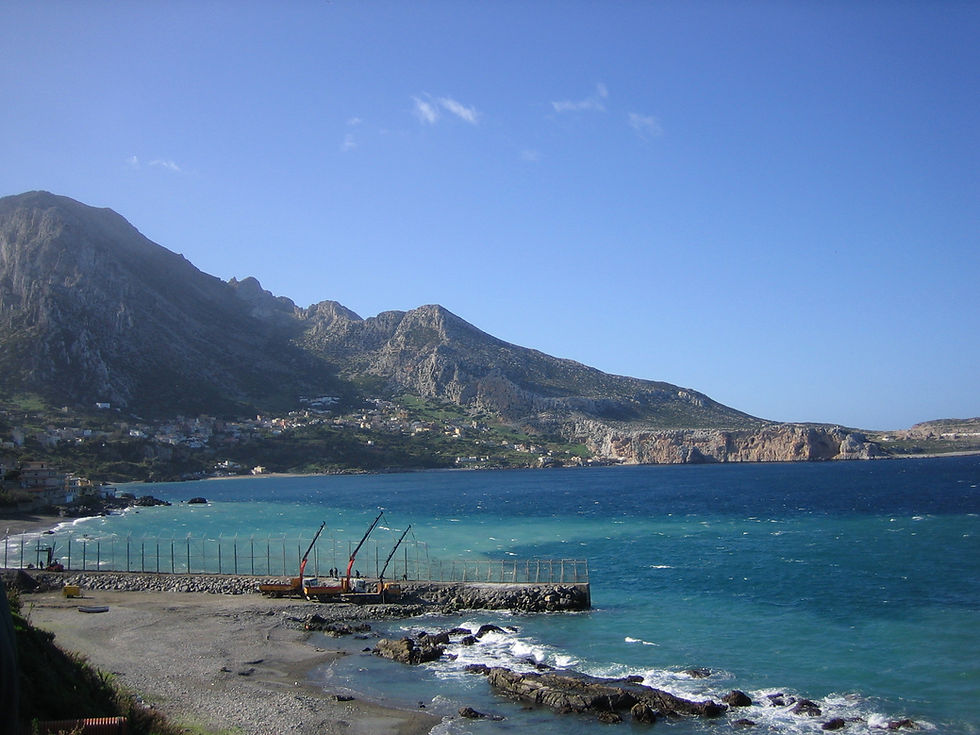
The episode reopened the debate over Spain’s ability to respond to future mass arrivals. While the government supports a combination of border control, cooperation with Morocco, legal returns, and humanitarian assistance, Ceuta authorities are calling for more resources and a reception system capable of responding quickly to another emergency.
Ceuta Facing a Crisis That Continues. The 2026 crisis did not change Ceuta’s status. Spain continues to consider it part of its territory and of the European Union, while Morocco does not recognize Spanish sovereignty over the city and maintains that Ceuta should be part of its territory. What happened during the summer once again demonstrated that the Tarajal border is much more than a line between two countries. It is where European migration policy, relations between Madrid and Rabat, and the stories of thousands of people trying to reach Europe intersect. Although the mass influx at the end of July has ended, attempts to cross the border have not stopped, and thousands of migrants still remain in Ceuta. With the border reinforced and new calls to attempt crossings circulating on social media, the crisis has entered a new phase, but it cannot yet be considered over.

Written by
John Merolla, Reporter
Reporter, Life News Today


Comments