


Ethical elephant sanctuaries in Thailand may not meet welfare standards

Updated: Apr 18
By Samantha Gilstrap
Reporter, Life News Today
World Animal Protection reported in a 2026 assessment of Thailand’s captive elephant tourism venues that nearly seven in 10 elephants used in tourism in Thailand were still living in poor or unacceptable conditions, even as more operations marketed themselves as “ethical,” “no riding,” and “rescues.” The group also reported that observation-only experiences have increased over time, though they remained a smaller share of the market compared with venues built around direct contact. Wildlife welfare researchers and advocates agree that some operations have improved. They also warn that marketing has moved faster than reform in much of the industry, leaving travelers to sort through labels that are not consistently tied to enforceable standards.
For many Americans planning a trip to Thailand, visiting an elephant sanctuary ranks high on the list. Elephants appear throughout the country’s tourism identity, from souvenirs to advertising, and a growing share of United States travelers say they want an experience that avoids harm. Public pressure over the past decade reshaped how elephant tourism presents itself. Graphic reporting and documentaries documenting harsh training practices pushed many tourists away from riding camps and shows and toward venues that describe themselves as sanctuaries. Operators responded to that shift in demand. World Animal Protection has documented a rise in washing and care-taking experiences that replace visible riding with bathing or feeding sessions, and the group warns these activities are often marketed as ethical even when elephants are managed for scheduled contact with visitors.

Many travelers treat “no riding” as the dividing line between harmful and humane. Welfare research and field assessments increasingly frame the issue around choice and control. “Elephants are self-aware and highly intelligent, and so they need to be able to make choices about what they do, where they go, what they eat, and who they interact with,” said Audrey Delsink, director of wildlife at Humane Society International-Africa, in comments to Sustainable Travel International, a nonprofit organization that promotes responsible tourism practices. When a venue sells repeated close contact, welfare advocates argue that the experience often depends on routines that keep elephants available for strangers on demand, even when marketing language emphasizes rescue. The absence of a single enforceable definition of an ethical sanctuary complicates the landscape. Studies of Thailand’s captive elephant tourism sector have described it as underregulated and underenforced, which allows wide variation in practices and in what visitors believe they are supporting. That gap creates room for well-intentioned tourists to rely on branding rather than verifiable standards.
The visible change in many venues is a shift from spectacle to intimacy. Bathing sessions, selfies, and hand-feeding are often framed as humane alternatives to rides. World Animal Protection argues that bathing experiences can still cause harm because they prioritize visitor access over elephants’ natural behaviors and because the activity depends on keeping large animals compliant around crowds. Researchers also caution against broad claims that treat every captive venue as identical. Scientific reviews emphasize that welfare depends on day-to-day management, including space, diet, exercise, social structure, and veterinary oversight, and they argue that public debate often relies on anecdote rather than standardized measures. That distinction matters for travelers because it means the ethical question does not end at the word sanctuary. Research suggests tourist attitudes can shift when visitors receive welfare information and observe conditions firsthand. A 2021 study of visitor attitudes at Thai elephant venues found that welfare can influence decisions and that perceptions can change before and after a visit, suggesting that what travelers see and learn can shape what they support next time.
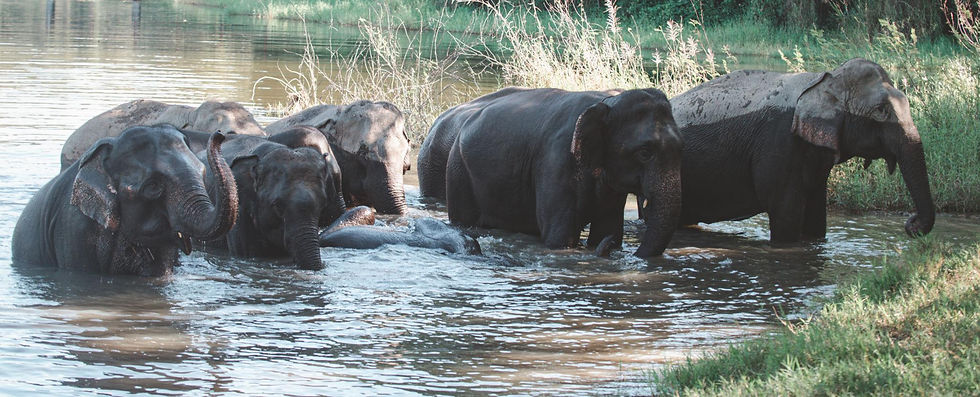
For American tourists, the practical question becomes what to evaluate before booking. Direct contact is a key signal because it indicates whether elephants are positioned for repeated human interaction. If a facility promotes hugging, bathing, selfies, or scheduled feeding sessions with large visitor groups, travelers should assume the elephants are being managed to meet that demand. Chaining practices, available land, documented histories, and veterinary care also indicate how a venue operates beyond its promotional language. Reports do not indicate that every sanctuary misleads visitors or that all elephant tourism operates the same way. They do show that the term “ethical” carries no single enforceable definition in a sector where standards and oversight vary. Welfare outcomes depend on how a facility manages elephants day to day, including the degree of autonomy animals have, the level of control used to facilitate visitor contact, and whether programming centers on observation or structured interaction. Conditions beyond the visitor experience, including housing, space, social grouping and veterinary care, ultimately determine how elephants live, regardless of the language used in promotional materials.


Comments