


Immune reset, the new strategy for therapies for autoimmune disorders
- Viviana Cetola
- Feb 26
- 4 min read
By Viviana Cetola
Reporter, Life News Today
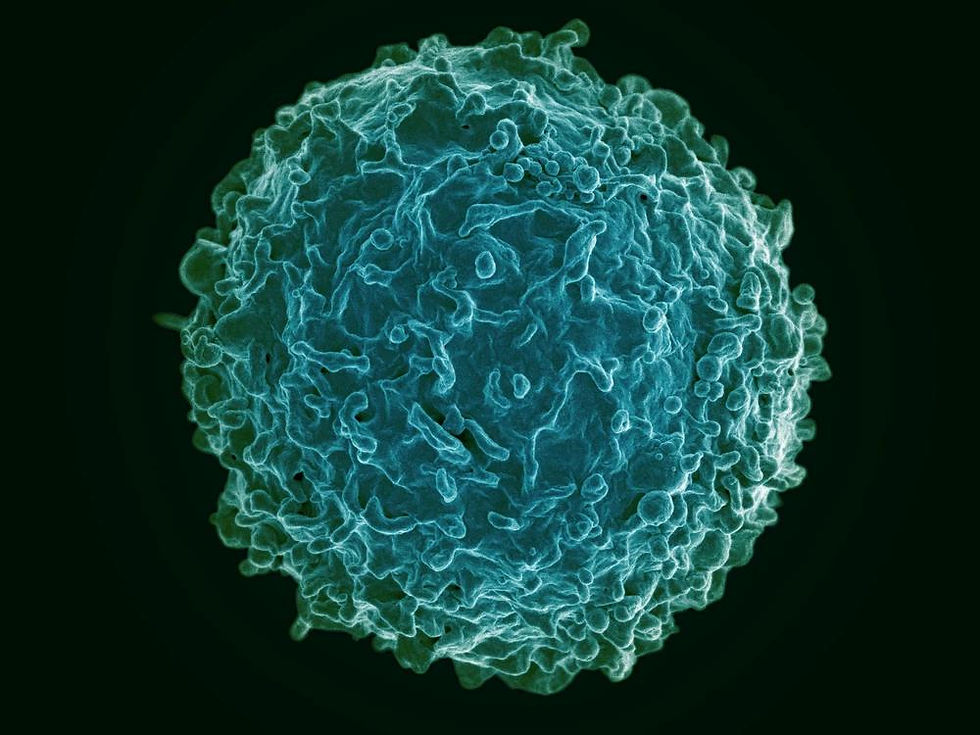
Dr John Isaacs, from Newcastle University, published a paper in Nature Reviews Rheumatology in which he discussed the groundbreaking concept that promises to revolutionise science: the immune reset. This was published on his X account by the prestigious cardiologist and science communicator, Eric Topol, who described it as the possibility of "restarting the immune system by eliminating B cells, it is like restarting a computer, to achieve cures against autoimmune diseases".
Autoimmune diseases are those in which the immune system (defense of the body against external attacking factors) does not recognize the body itself as its own and attacks its own healthy organs.
"The emergence of potent depletion (reduction) therapies for the treatment of refractory autoimmunity has given rise to the concept of immune reset. Understanding whether immune restoration equals a cure, and whether cure is achievable through strategies that do not lower immunity, depends on identifying immune biomarkers to measure healthy and pathological immunity," Dr. Isaacs said in his paper.
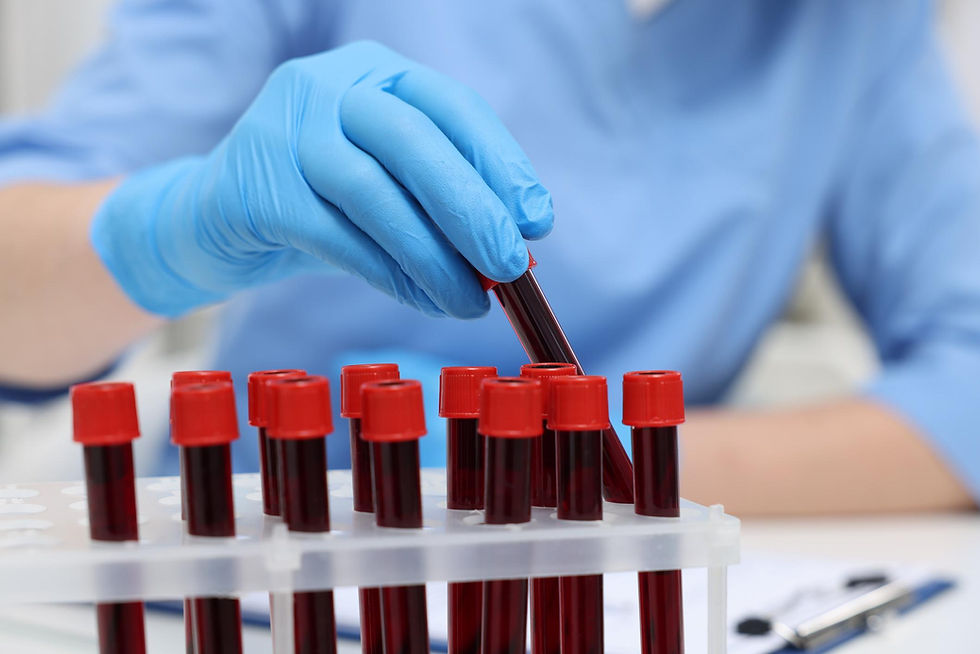
The procedure consists of extracting cells from the patient's blood, growing them in the laboratory for a week and then reintroducing them into the body, with the aim of transmitting the order not to attack healthy tissues. The concept of "immune reset" is presented as an alternative in the research and approach of autoimmune diseases such as rheumatoid arthritis, a condition suffered by millions of people around the world. Isaacs' paper describes immune reboot as a process that seeks to restore balance to the immune system in people with autoimmune diseases, employing therapies aimed at eliminating specific groups of cells, particularly B cells. This procedure aims to reorganize the immune response and raises the question of whether this intervention can lead to a definitive cure. Isaacs argues that identifying immunological biomarkers is key to differentiating a healthy system from an altered one, and to being able to accurately assess the effectiveness of this approach.
"The emergence of potent depletion therapies (decrease, emptying, or depletion of a substance, liquid, or component in a system) for the treatment of refractory autoimmunity has given rise to the concept of immune reset. Understanding whether immune restoration equals a cure, and whether cure is achievable through strategies that do not deplete immunity, depends on identifying immune biomarkers to measure healthy and pathological immunity," Dr. Isaacs said in his paper.

A research group at Newcastle University, under the direction of Isaacs himself, is exploring experimental cell therapies, such as the use of tolerogenic dendritic cells (TolDC) in the treatment of rheumatoid arthritis. Dendritic cells act as regulators of the immune system and have the ability to induce tolerance in T lymphocytes, which play an important role in the development of the disease. The experimental AuToDeCRA-2 protocol evaluates different routes of administration of TolDC and its potential to achieve favorable immunomodulation, using biomarker profiling monitoring in treated patients. According to the study published last August in Springer Nature, the protocol compares various routes of application and dose, in addition to clinical and immunological monitoring. Early results show that TolDC therapy is safe and well tolerated. Optimal dosage and immunomodulatory efficacy in the context of rheumatoid arthritis are still being investigated.
One of the main challenges of this line of research is to demonstrate that immune restart can be sustained in the long term without producing relapses or serious adverse effects. To achieve this goal, it is essential to develop and validate immunological biomarkers capable of measuring the real state of the immune system after the intervention, differentiating between a stable remission and a simple temporary control of symptoms. The scientific teams believe that the monitoring of these parameters will be decisive in determining whether it is possible to speak of a cure in the strictest sense.
The immune reset approach, according to the researchers, could potentially be applied to other autoimmune diseases, such as type 1 diabetes or multiple sclerosis, if clinical trials manage to demonstrate positive results. Isaacs stresses the importance of intervening selectively in the immune system, avoiding global suppression, which would reduce the adverse effects associated with conventional treatments.
Rheumatoid arthritis is an autoimmune disease that primarily affects the joints and can compromise other organs if not detected and treated early. Early diagnosis and consultation with a rheumatology specialist are essential to avoid irreversible damage and improve the prognosis of those who suffer from it. It is estimated that about 18 million people are living with rheumatoid arthritis globally, posing a significant challenge to health systems in managing autoimmunity. Dr. Gustavo Citera, head of the Rheumatology Section of the Institute of Psychophysical Rehabilitation, stressed that, in the face of persistent symptoms, "early consultation is essential: if the patient arrives on time, we can slow down the progression of the disease and improve its prognosis significantly." In addition, he points out that active commitment to care and the adoption of healthy habits improve the quality of life of those living with rheumatoid arthritis.

As for the new advances that are being developed, the AuToDeCRA-2 protocol and the integration of basic research with clinical trials reflect the interest in developing personalized therapies for autoimmune diseases. Both Isaacs and Topol stress the relevance of reorganizing the immune response rather than resorting to widespread suppression. The follow-up of these clinical trials will make it possible to determine the true scope of this approach in the treatment of rheumatoid arthritis and other autoimmune pathologies.


Comments