


The Korean Wave Reshaping American Culture
By Sabrina Pineda
Reporter of Life News Today
The Korean Wave, known in Korean as “Hallyu,” refers to the global spread of South Korean culture. In the United States, its rise has been shaped by two forces meeting at the same time. South Korea built cultural industries designed to reach audiences beyond its borders, and young Americans began discovering culture without waiting for radio stations, movie studios or television networks to approve it first. A song from Seoul can become a dance in an American school hallway before it becomes a radio hit. A TV drama scene can turn tteokbokki into a craving before a viewer sees it on a menu. A Netflix film such as “KPop Demon Hunters” can move into McDonald’s meals, photocards, toys and digital extras while the story is still spreading online. The Korean Wave became powerful because it entered American life through many doors at once, turning entertainment into food choices, beauty routines, language study, fandom and consumer culture.

Pew Research Center reported that nine in ten United States teens say they use YouTube, while majorities also use TikTok, Instagram and Snapchat. Those platforms changed who gets to introduce culture to a mass audience. A teenager does not need a magazine cover or a television segment to discover a Korean group, copy a dance or recommend a series. A clip can move through a group chat before a network notices it. A fan edit can explain a character before a formal review appears. A recipe can make a dish feel familiar before a restaurant visit. Young audiences are not only receiving Korean culture through these platforms. They are helping translate it into the rhythms of American youth life.
South Korea’s cultural industries were prepared for that kind of movement. The United Nations Conference on Trade and Development describes the creative economy as activity built around creativity, knowledge, technology and intellectual property, with cultural products that include music, film, fashion, games and television. South Korea’s entertainment system turned those categories into a connected export model. A Korean popular music (K-pop) release can arrive with choreography, visual branding, album design, fan merchandise, online challenges, behind-the-scenes content and a calendar of appearances. A TV drama can introduce food, fashion, slang, settings and music at the same time. That structure gave audiences more than one reason to stay interested.
South Korea’s Ministry of Culture, Sports and Tourism and the Korean Foundation for International Cultural Exchange reported in the 2025 Overseas Hallyu Survey that the study included people across 28 regions who had experienced Korean cultural content. The survey measured the Korean Wave across areas such as television dramas, films, music, animation, webtoons, games, fashion, beauty, food and Korean language. When respondents thought of Korea, K-pop ranked first, followed by Korean food and TV dramas. The order shows how recognition often begins with entertainment and then expands into something more personal. A listener may start with a group, then try a dish, watch a TV drama, learn a phrase, buy a skin care product or recognize a character in a store.
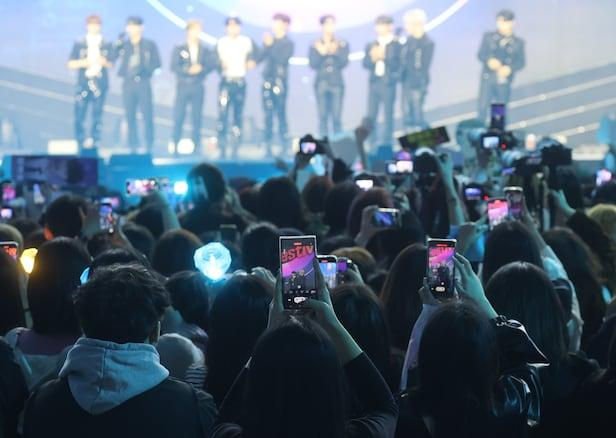
K-pop reached American listeners as music, performance and community working together. Groups such as BTS, BLACKPINK, TWICE, Stray Kids and NewJeans helped make songs in Korean feel at home in American playlists, school hallways, gyms, stadiums and short-form videos. The Recording Academy noted that BTS had six No. 1 songs on the Billboard Hot 100 between 2020 and 2021, including “Dynamite,” “Butter” and “Permission to Dance,” a mark that showed K-pop had moved into the center of American commercial music rather than remaining at its edges. That breakthrough did not depend on every listener understanding every lyric. The music arrived with sharp visuals, repeatable movement and fan communities that made translation part of participation rather than a barrier to entry. Fans learn names, choreography, phrases, symbols, colors, backstories, release calendars and turn concerts into shared cultural gatherings. K-pop fandom now performs work that marketing industries once controlled.

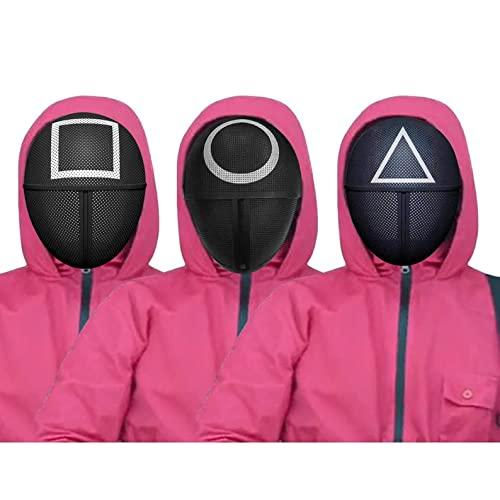
Netflix ranks the first season of “Squid Game” as its most popular non-English-language show, with 265.2 million views, while the second and third seasons also appear among the platform’s three most popular non-English-language shows. The series brought Korean names, children’s games, visual symbols and social anxieties into a global conversation about debt, inequality and survival. Its success did not depend on offering American viewers a simplified version of Korea. The story stayed rooted in Korean language, imagery and social pressure, yet still became part of mainstream viewing. Korean TV dramas and series changed what many viewers were willing to watch without requiring an American remake first.
“Parasite,” Bong Joon Ho’s dark social thriller, won best picture at the 2020 Oscars and brought Korean-language cinema to the center of Hollywood’s most visible stage. The Academy of Motion Picture Arts and Sciences recorded “Parasite” as the best picture winner and Bong as the winner for best director during the 92nd Academy Awards. The victory showed that Korean film could command attention without abandoning its language, class tension, humor, architecture or rhythm. It also helped shift how some American viewers approached subtitles. Instead of treating them as a barrier, more viewers began to see them as part of watching a story as originally intended.
“KPop Demon Hunters” shows how Korean-inspired pop culture is targeting all ages and can move from streaming into American consumer life almost immediately by entering into a promotional campaign with McDonald’s. The fast-food chain describes the title as a Netflix film produced in partnership with Sony Pictures Animation, directed by Maggie Kang and Chris Appelhans, about K-pop superstars who sell out stadiums while secretly protecting their fans from a supernatural threat. The promotion connected the film to themed meals, HUNTR/X and Saja Boys photocards, a Derpy access card and exclusive digital content. The campaign turned a movie into something fans could order, open, collect and post, placing Korean-inspired pop culture at the center of a major American brand promotion rather than using it as background flavor. Netflix’s official product guide lists collaborations tied to toys, books, apparel, beauty, food and music, while Hasbro announced a toy line with Nerf role-play items and products inspired by the movie’s characters, weapons and symbols. Mattel also promoted dolls, action figures, games and collectibles tied to the film.

Korean food gave the Korean Wave one of its most direct routes into American life because flavor does not need subtitles. Korean food has ranked first among categories of respondents considered to have widespread popularity, ahead of music, beauty and TV dramas. In the United States, that influence appears in Korean barbecue restaurants, Korean fried chicken shops, tteokbokki counters, ramyeon bowls, kimbap rolls, bulgogi plates and Korean corn dogs covered with sugar, potatoes or cheese. Food often works differently from music or film because it becomes physical quickly. A viewer can see ramyeon in a TV drama, try kimchi at a restaurant, buy gochujang at a supermarket and then look for a recipe at home. Korean barbecue places people around the grill, where dinner becomes a shared activity rather than a plate that arrives already finished. Ramyeon becomes familiar through TV dramas and then shows up in kitchens, dorm rooms and late-night cravings. Those foods give the Korean Wave staying power because they can survive outside the song, series or trend that first introduced them. Once a flavor enters someone’s routine, the culture no longer depends on the original screen that carried it.
Korean beauty and fashion moved the Korean Wave into more private routines. Korean skin care became familiar through cleansing, hydration, sunscreen and sheet masks, with products marketed as part of a process rather than a quick fix. Fashion traveled through idols, TV dramas and music videos, where oversized jackets, soft colors, stylized school uniforms, carefully shaped hair and polished streetwear became part of the visual language. This part of the wave changes the way influence is used. It is not only something people watch or hear. It becomes something they integrate into their own sense of style.
WEBTOON presents itself as a platform with stories across 23 genres, including romance, comedy, action, fantasy and horror, built for the vertical scroll of mobile reading. That format changed how Korean storytelling could reach young readers who did not need a bookstore, comic shop or television adaptation to find a story. A webtoon can begin in a few minutes between classes, then grow into a fandom, series, soundtrack, game or merchandise line. The Korean Wave does not always need a stage, theater or restaurant. Sometimes it begins quietly, in the palm of a reader’s hand, chapter by chapter.
Video games extend that cultural movement into participation. The survey included games as one of the areas of the Korean Wave, recognizing that Korean influence also moves through interactive spaces. When a story becomes a game, the audience competes, unlocks, repeats, comments and returns rather than only watching. Younger audiences already move across entertainment formats in their daily lives. Each format gives the audience another way to stay connected. Kakao Friends began inside the KakaoTalk ecosystem and became a recognizable character line, while BT21, tied to characters created with BTS, maintains an online store for the United States through LINE FRIENDS SQUARE.
The Korean language followed the culture because entertainment often creates curiosity before formal study begins. The survey added Korean language as a category and reported favorability above the overall average for Korean cultural content. That helps explain why some fans start with a chorus or TV drama line and later want to read lyrics, understand interviews or study Korean formally. Language becomes more than a tool for translation; it becomes a way to get closer to the music, humor, food, history and daily life behind the culture that first caught a fan’s attention. Korean-language instruction in now also appearing in American universities and is available at institutions including The Ohio State University, University of California Los Angeles, The University of Chicago, The University of Texas at Austin, University of California, Irvine, University of Illinois Urbana-Champaign, University of Pittsburgh, University of Southern California and University of Washington. The Korean Wave has also reached classrooms, where students study the language and culture behind the entertainment that first drew their attention.

The Korean Wave in the United States cannot be reduced to one song, one series, one film or one dish. Its power comes from the way each entry point leads to another. One person may arrive through BTS and end up trying tteokbokki. Another may watch “Squid Game” and then look for Korean cinema. Another may buy Korean skin care, read a webtoon, follow a kimchi recipe or recognize a Kakao Friends character in a store. The answer to how it happened is found in South Korea’s export-ready cultural industries, global platforms and fan communities. The answer to why it happened now is found in the weakening of old cultural gates, because young audiences no longer wait for radio stations, television networks, movie studios or magazines to decide what deserves attention. They find it on their phones, share it in group chats, try it at restaurants, wear it through fashion and beauty, collect it through toys and study it through language. In the United States, the Korean Wave is active and thriving.


Comments